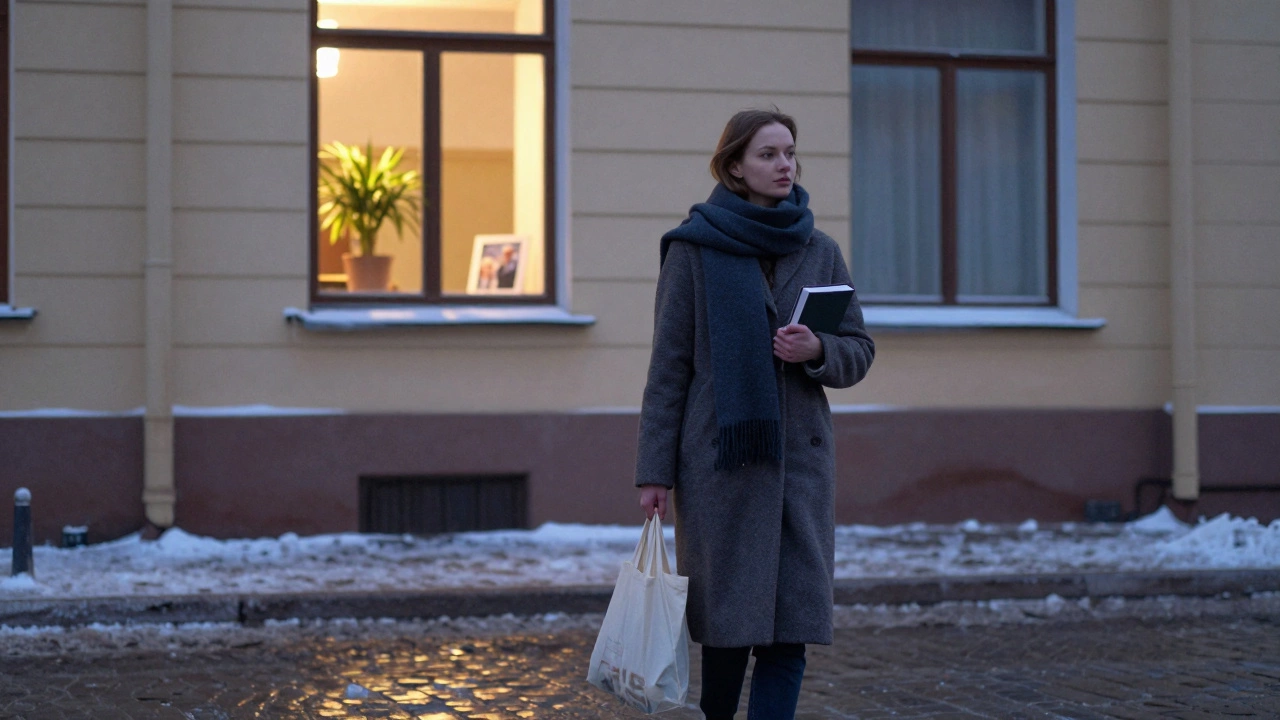
When people think of Russia, they often picture winter landscapes, matryoshka dolls, or classical ballet. But beneath the surface of these familiar images lies a quieter, more complex reality - one where young women navigate the tension between deep-rooted tradition and the pressures of modern life. Some of these women work as escorts, not because they’ve abandoned their values, but because they’re redefining what those values mean in a changing world. Their choices aren’t about rebellion; they’re about survival, autonomy, and reclaiming control in a society that rarely gives them a voice.
It’s easy to confuse this with other global industries. For instance, the girls escort dubai scene operates under entirely different legal and cultural rules. In Dubai, escort work is illegal and heavily stigmatized, leading to a hidden, high-risk underground economy. The dubai girl escort market thrives on secrecy, while the dubai escort problem is often framed as a law enforcement issue. But in Russia, the situation is less about crime and more about quiet adaptation. Many Russian women who take on this work do so without hiding - they maintain family ties, hold regular jobs, and participate in community events. They don’t see themselves as outliers. They see themselves as women making practical decisions in a system that offers few alternatives.
Traditional Values in a Modern Framework
Russian culture has always placed strong emphasis on family, modesty, and duty. These aren’t just old-fashioned ideals - they’re lived experiences. A woman raised in a small town in Siberia might be taught to respect elders, cook meals for her family, and prioritize stability over personal ambition. But when she moves to Moscow or St. Petersburg, those lessons don’t vanish. Instead, they get repurposed. Many escort women in Russia still live with their parents, send money home, and attend church on holidays. They dress conservatively outside of work. They speak politely to strangers. They keep their personal lives private - not out of shame, but out of discipline.
This isn’t hypocrisy. It’s strategy. They’ve learned how to compartmentalize. One part of their life follows the rules of tradition. The other part responds to economic reality. In cities like Kazan or Yekaterinburg, rent is rising, wages are stagnant, and entry-level jobs barely cover groceries. For a woman with no college degree, no family support, and no access to credit, escorting becomes one of the few ways to earn enough to keep her head above water. And unlike in places where the work is criminalized, in Russia, it’s often tolerated - if quietly.
The Role of Technology and Social Media
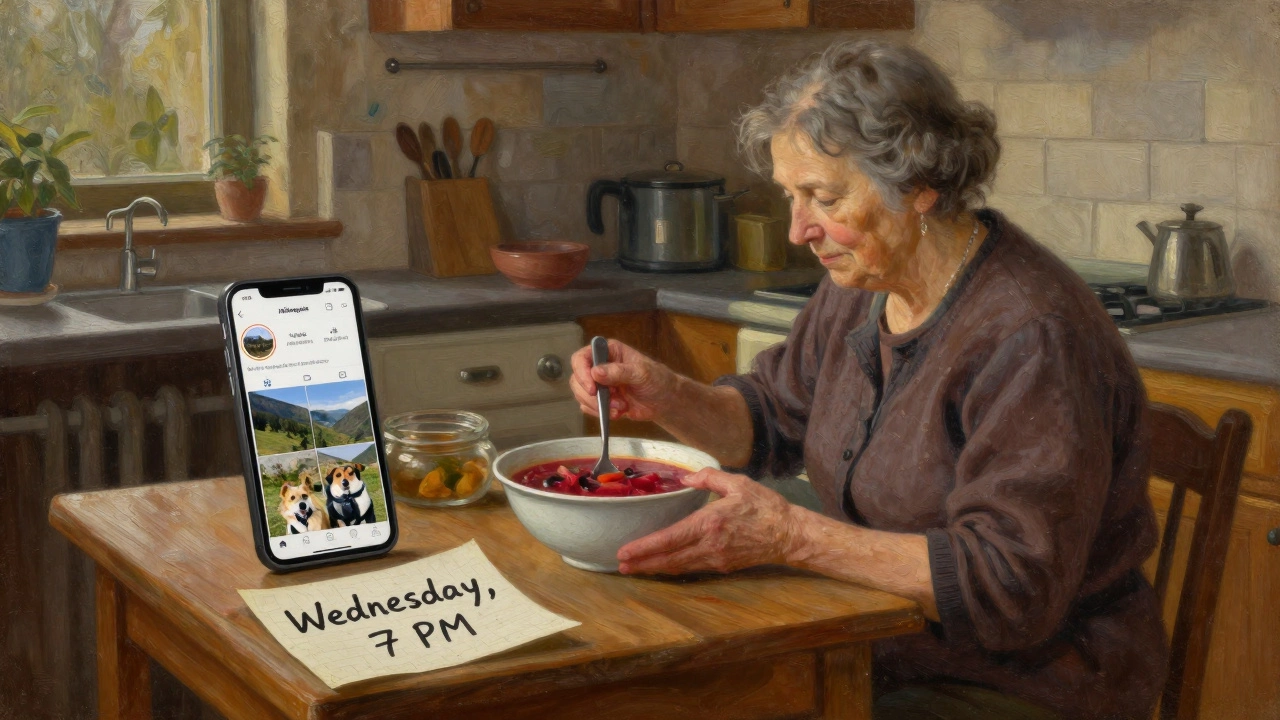
Technology didn’t create this phenomenon, but it changed how it operates. Ten years ago, women relied on word-of-mouth referrals or discreet agencies. Today, many use Instagram or Telegram to connect with clients. Their profiles are clean, professional, and often include photos of them hiking, reading, or spending time with pets. They don’t post suggestive content. They post authenticity. One woman in Novosibirsk, who goes by the handle @svetlana_r, has over 12,000 followers. Her posts show her at the local library, volunteering at an animal shelter, and cooking borscht with her grandmother. Her bio says: “I help people feel less alone. That’s all.”
This isn’t marketing. It’s identity preservation. She’s not trying to sell fantasy. She’s offering presence. And that’s what clients are paying for - not sex, but connection. Many of them are middle-aged men, divorced or widowed, who feel invisible in their daily lives. They want someone who listens, who remembers their name, who doesn’t judge them for being lonely. The women know this. They’ve seen it in the messages they receive: “Thank you for not pretending you’re happy to be here.” “I haven’t laughed like this in years.”
Legal Ambiguity and Social Tolerance
Russia doesn’t have a law that specifically bans escorting. Prostitution is illegal, but the line between selling sex and selling companionship is blurry. Police rarely raid private apartments unless there’s a complaint. Most women operate without pimps, without drugs, without violence. They set their own rates. They choose their clients. They walk away if something feels off. This level of autonomy is rare in any informal economy.
Local communities often know who these women are. Neighbors might nod politely when they pass on the street. Shopkeepers give them discounts. A bakery owner in Perm once told a journalist, “She pays on time. She brings her mother with her sometimes. What’s wrong with that?” The attitude isn’t approval - it’s resignation. And in a country where the state controls so much, resignation can feel like freedom.
Why This Isn’t Exploitation
Western media often frames escort work as exploitation. But that label doesn’t fit here. Exploitation implies powerlessness. These women aren’t powerless. They’re calculating. They’ve studied the market. They know their worth. One woman in Rostov-on-Don told me she charges 10,000 rubles ($110) for a three-hour dinner and conversation. She works three times a week. That’s 1.2 million rubles a year - more than double the average salary in her city. She uses the money to pay for her sister’s medical treatment and to save for a small apartment. She’s not trapped. She’s building.
There are no traffickers here. No forced recruitment. No underage girls. The women I spoke with were all over 21, most in their late 20s or early 30s. Many have degrees - in linguistics, psychology, even engineering. They chose this path after trying other jobs. One former teacher quit after realizing her students’ parents paid her more for private tutoring than her school paid her in a month. Another left a call center job because the stress gave her migraines. They didn’t fall into this. They walked into it.
The Emotional Labor Behind the Work
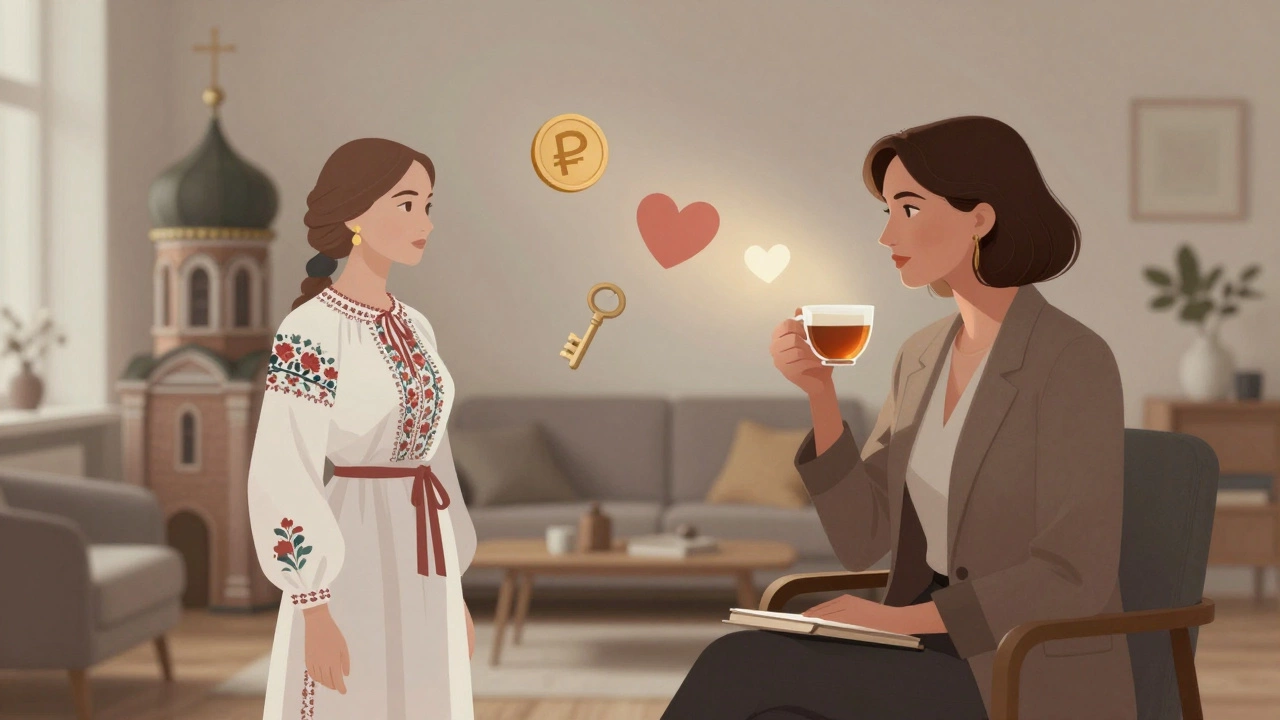
What’s rarely discussed is how emotionally draining this work can be. These women don’t just show up. They perform. They remember birthdays. They offer comfort. They hold back tears when a client cries about losing his wife. They learn to say “I understand” without meaning it. They develop emotional resilience - not because they’re hardened, but because they care too much.
Some keep journals. Others see therapists. A few have formed informal support groups in encrypted chat rooms. They share tips: how to spot a manipulative client, how to set boundaries, how to say no without sounding rude. They don’t talk about sex. They talk about dignity.
A Future Without Stereotypes
There’s no grand movement here. No protests. No hashtags. These women aren’t asking for rights. They’re asking for space. Space to exist without being labeled. Space to earn without being judged. Space to be both traditional and modern, without having to choose one.
Maybe one day, Russian society will recognize this as a legitimate form of labor. Maybe not. But for now, these women are rewriting the rules - quietly, carefully, and with more grace than most institutions ever show.