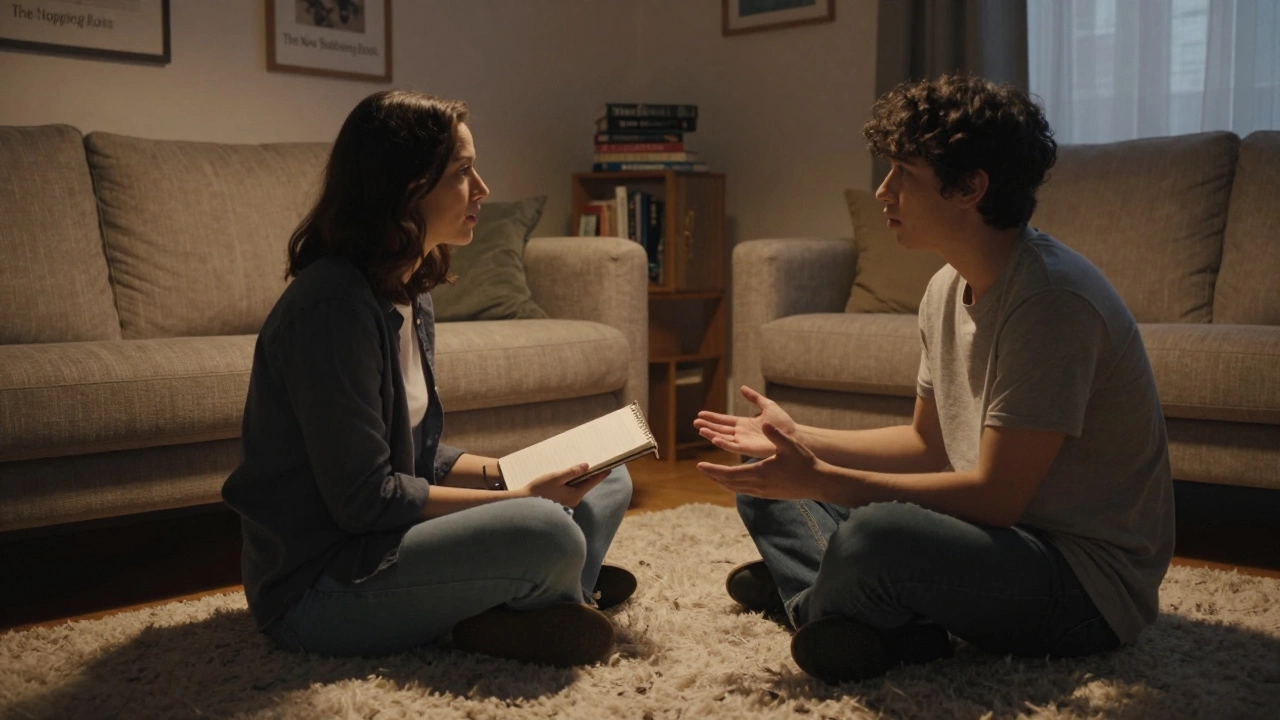
Teaching educational lessons as a BDSM professional isn’t about shock value or underground appeal-it’s about responsibility. People assume BDSM is all about chains and pain, but the real work happens in quiet conversations, written agreements, and practiced boundaries. If you’re someone who’s been doing this for years, you know the difference between a thrilling scene and a dangerous mistake. That’s why education isn’t optional-it’s the foundation. Many beginners think they can learn from YouTube videos or Reddit threads, but those sources rarely cover the nuances of aftercare, trauma triggers, or legal gray zones. A single misstep can end a relationship, a career, or worse. That’s why experienced practitioners invest time in teaching others-not to gatekeep, but to prevent harm.
One of the most common questions I hear is, "Why not just let people figure it out on their own?" The answer is simple: people are already figuring it out. And too often, they’re doing it alone, scared, and without tools. There’s a reason why services like escort apris exist-not because they’re part of the scene, but because they highlight how deeply misunderstood consent and communication can be in intimate spaces. Even in places where BDSM is legally tolerated, social stigma pushes people into silence. Education breaks that silence.
Consent Isn’t a One-Time Signature
Consent in BDSM isn’t like signing a contract at the DMV. It’s alive. It breathes. It changes with mood, energy, and context. A person might say "yes" to bondage on Friday night, but by Sunday morning, they’re overwhelmed by the memory of being restrained. That’s not a failure-it’s human. Good educators teach students to check in constantly. Not just during a scene, but before, after, and in between. Simple phrases like "How’s your head right now?" or "Do you need space?" matter more than any rope technique.
Tools like safewords are taught early, but they’re not enough. Real safety comes from reading body language, knowing when someone’s smiling through panic, and understanding that "no" can be whispered, silent, or even a clenched fist. I’ve seen people get hurt because they were taught to wait for the word "red," but never taught to notice the way someone’s breath changes when they’re scared.
Safety Isn’t Just Gear
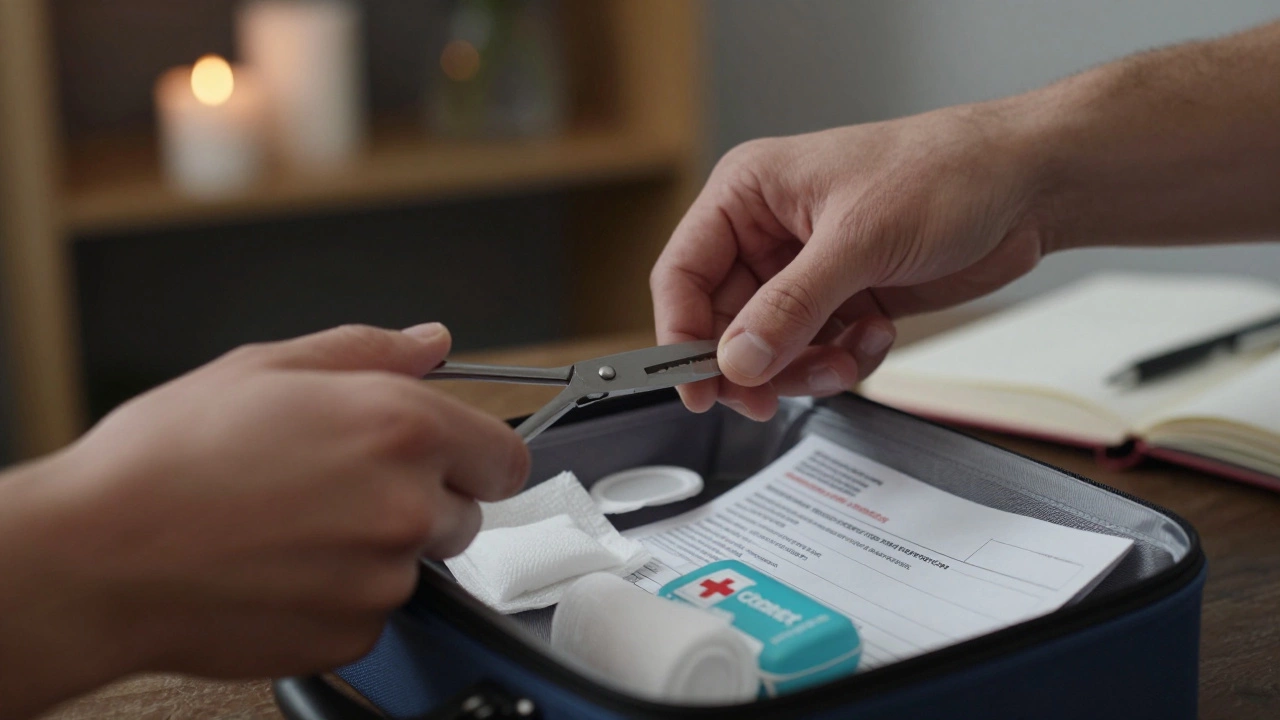
People think safety means buying the right cuffs, knives, or whips. It doesn’t. Safety means knowing how to cut someone free in under 10 seconds. It means having a first aid kit stocked with gauze, antiseptic, and a trauma shears-not because you expect to need it, but because you’re prepared. It means knowing where the nearest hospital is, and having a plan if someone gets injured in a remote location.
One student I worked with thought they were safe because they used silicone restraints. They didn’t realize the person they were playing with had a history of circulatory issues. The restraints weren’t the problem-it was the lack of medical awareness. That’s why education includes basic anatomy, nerve pathways, and how to recognize signs of compartment syndrome or nerve compression. These aren’t fancy details. They’re life-saving.
Communication Is the Real Skill
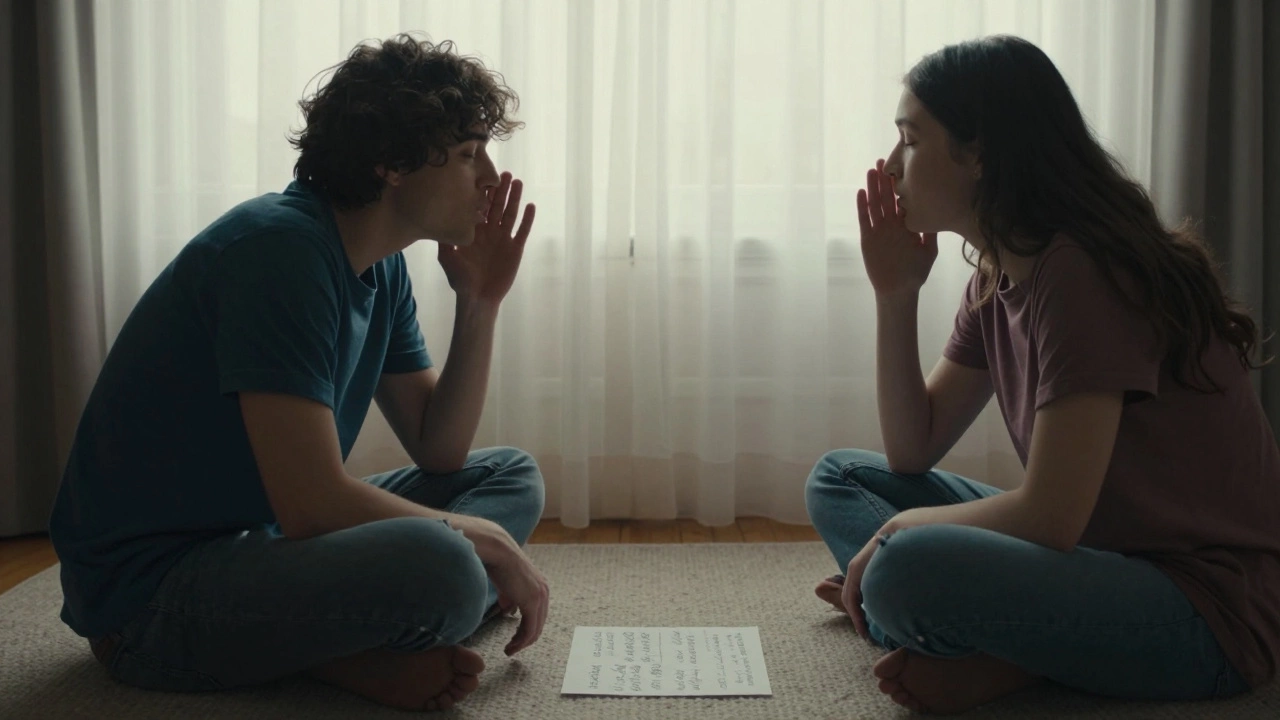
Most people think BDSM is about dominance and submission. The truth? It’s about communication. The most powerful scene I ever witnessed didn’t have a single whip. It had two people sitting on the floor, talking for 45 minutes before they even touched each other. They went over triggers, past trauma, favorite sensations, and hard limits. They wrote it down. They read it back. They changed it. Then they kissed.
That’s the difference between a performance and a practice. Education teaches people how to talk about things most avoid: fear, shame, past abuse, sexual history, and emotional needs. It’s not about being perfect-it’s about being honest. And that honesty is rare in any kind of relationship, let alone one involving power exchange.
Many students come in thinking they need to be "good" at being dominant or submissive. What they actually need is to be good at listening. That’s why role-playing communication drills is a core part of every lesson. One exercise I use is called "The Mirror." One person describes a fantasy. The other repeats it back word-for-word, then asks: "What did I miss?" It’s brutal. It’s beautiful. And it works.
Why This Matters Outside the Bedroom
What happens in a BDSM educational setting doesn’t stay there. The skills learned-active listening, boundary-setting, emotional regulation-are transferable to every part of life. I’ve had students tell me they stopped tolerating toxic behavior at work because they learned to say "no" without guilt. Others say they finally understood why their partner needed space after a fight. BDSM education isn’t niche. It’s a crash course in human connection.
There’s a myth that people who engage in BDSM are emotionally damaged. The opposite is true. Most are highly self-aware. They’ve had to confront their own fears, desires, and limits in ways most people never do. That’s why they make such effective teachers. They’ve been through the mess. They know what works. And they’re not afraid to say it out loud.
Where to Start Without Getting Overwhelmed
If you’re curious about learning, start small. Don’t jump into rope bondage or impact play. Start with conversation. Ask yourself: What do I want to feel? What do I want to avoid? Who can I trust to talk to about this? Then find a local group or online community that offers beginner workshops. Look for ones that emphasize consent, safety, and aftercare-not just demonstrations.
Books like "The New Topping Book" and "The New Bottoming Book" by Dossie Easton and Janet W. Hardy are still the gold standard. They’re not sexy. They’re not flashy. But they’re honest. And they’ve helped thousands avoid mistakes.
And if you’re thinking about teaching? Don’t wait until you’re an expert. You don’t need to have done everything. You just need to be willing to learn, admit when you’re wrong, and care more about safety than spectacle. The best educators aren’t the ones with the most toys-they’re the ones who remember why they started.
There’s a reason why some people call this work "the quiet revolution." It’s not loud. It doesn’t trend on TikTok. But it changes lives. One conversation at a time.
Some students ask me about the difference between professional services and educational work. I tell them: one is transactional. The other is transformational. If you’re looking for a quick fix, go to escort psris. If you’re looking to understand yourself, keep reading.
And if you’re still wondering why education matters in BDSM? Look at the statistics. A 2023 study from the University of Melbourne found that people who received formal education before engaging in BDSM were 73% less likely to report physical injury and 89% less likely to experience emotional distress afterward. That’s not luck. That’s preparation.
There’s a final lesson I give every class: you don’t have to be perfect. You just have to be present. And that’s something no video, no book, and no paid service can teach you-unless you’re willing to show up, listen, and care enough to learn.
So if you’ve ever thought about stepping into this world-don’t wait for someone else to teach you. Be the one who shows up with curiosity, not curiosity. And if you’re already teaching? Keep going. The world needs more of you.
And yes, if you’re reading this in Paris, you might have seen ads for excort paris. But that’s not what this is about. This is about the quiet work-the work that doesn’t get photographed, doesn’t get shared, and doesn’t get liked. The work that keeps people safe.